Radiant Engagement Rings: A Complete Buying Guide

A radiant cut diamond offers the best of two worlds: the elegant silhouette of an emerald cut paired with the sparkle of a round brilliant. With cropped corners, 70 expertly arranged facets, and exceptional fire, it's an ideal choice for couples who want something timeless with a modern edge. Whether you prefer a sleek solitaire or a more elaborate setting, radiant cut engagement rings stand out for their versatility, durability, and remarkable sparkle.
TABLE OF CONTENTS
What Is a Radiant Cut Diamond?
The radiant cut is one of the newer diamond shapes, introduced by master diamond cutter Henry Grossbard in 1977. His goal was simple: combine the clean, sophisticated lines of step-cut diamonds with the brilliance of a round diamond.
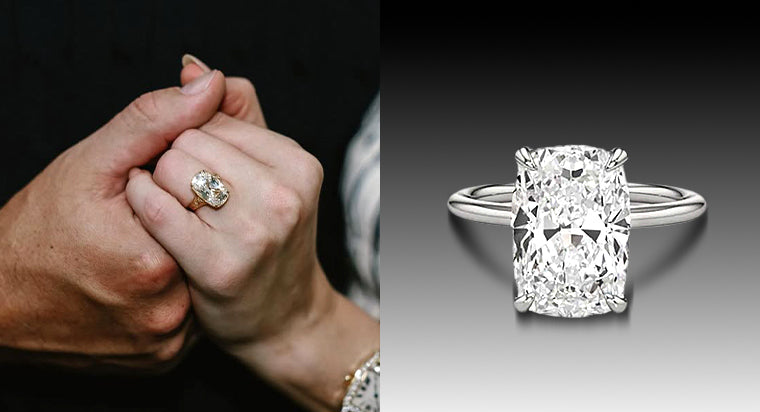
The result is a diamond that delivers exceptional sparkle while maintaining a refined geometric shape. Like emerald cuts, radiant diamonds can appear either square or rectangular, allowing you to choose the silhouette that best suits your style.
With their impressive number of facets, radiant cut diamond engagement rings are designed to maximize light return. Their faceting pattern also helps disguise inclusions and soften the appearance of color, making this cut as practical as it is beautiful.
Why Choose a Radiant Engagement Ring?
A radiant engagement ring is ideal for anyone who loves brilliance without choosing a traditional round diamond. While round diamonds feature 58 facets, radiant cuts have 70, creating vibrant sparkle from nearly every angle.
Beyond their brilliance, radiant cuts are well suited to everyday wear. Their cropped corners are less vulnerable to chipping than the diamond shapes with pointed corners such as pear or marquise cuts. This makes them well suited for people with active lifestyles.
Another advantage is flexibility when selecting diamond quality. The radiant cut's faceting can help disguise some inclusions, giving shoppers more flexibility when considering clarity. However, every diamond should be evaluated individually, as the visibility of inclusions and color can vary from stone to stone. Choosing a slightly lower grade can sometimes allow you to allocate more of your budget toward carat weight or another feature you value.
How to Choose the Right Radiant Diamond
Cut quality plays a significant role in how a radiant diamond performs. Look for a stone with balanced proportions and symmetrical corners to ensure even brilliance and an attractive overall shape.
The length-to-width ratio will determine the diamond's appearance:
- 1.00–1.05: Creates a more square silhouette.
- 1.20–1.35: Produces a longer, rectangular shape.
These ranges are a starting point rather than a strict rule. The ideal ratio ultimately comes down to the proportions you prefer.
Don't choose a radiant based on its length-to-width ratio alone. Look at the diamond from different angles and under different lighting conditions. A well-performing stone should appear bright across the face, without obvious dark areas or sections that look transparent. Also check the symmetry of the corners and facet pattern, as uneven proportions can affect the diamond's overall appearance.
Radiant cuts can be relatively forgiving when it comes to clarity because their faceting may make some inclusions less noticeable. Color, however, should be evaluated on the individual diamond, particularly if you're considering a larger or elongated radiant. Comparing several stones can help you determine which combination of clarity and color offers the appearance you want within your budget.
If you're considering a lab-grown radiant diamond, the same principles apply. Compare the individual stone's proportions, light performance, clarity, and color rather than choosing based on specifications alone.
Best Settings for Radiant Engagement Rings
Radiant cut engagement rings work well with a wide range of setting styles. A solitaire keeps the focus entirely on the center diamond, allowing its shape and brilliance to take center stage. For more sparkle, a halo surrounds the center stone with smaller diamonds, adding brilliance and creating the appearance of a larger center.
A pavé band adds shimmer along the shank while maintaining emphasis on the center stone. If you're looking for additional symbolism, a three-stone setting places two side stones alongside the radiant center and is traditionally associated with your past, present, and future together.
Tapered baguettes or smaller brilliant diamonds can create an elegant contrast with the radiant's geometric shape. Hidden halo settings offer a more subtle approach, adding diamonds beneath the center stone while maintaining a clean appearance from above.
Popular Radiant Engagement Ring Styles
Radiant cut engagement rings are available in styles ranging from timeless to contemporary. Minimalist designs with slim bands keep the focus on the center diamond, while vintage-inspired details like milgrain and engraved bands add heirloom charm.
For a modern twist, east-west settings showcase the radiant diamond horizontally for a fresh, unexpected look. Metal choice also shapes the overall aesthetic: yellow gold feels warm and classic, rose gold has a romantic, vintage vibe, and white gold and platinum create a sleek, contemporary finish.
Additional Buying Tips
When comparing radiant diamonds, view several stones to see which offers the best combination of brilliance, proportions, and shape. Because radiant diamonds don't receive an official cut grade from the major grading laboratories, comparing the actual stones is particularly important.
Pay attention to the diamond's light performance as you compare options. Look for even brightness across the stone and avoid diamonds with obvious dark areas or transparent-looking sections. Examine the diamond from multiple angles and, when shopping online, use high-quality videos and imagery that allow you to assess its appearance beyond a single still photograph.
Also consider whether you prefer a square or elongated shape. Square radiants offer a balanced, symmetrical appearance, while elongated stones create a more slender silhouette. Finally, consider how your engagement ring will pair with a future wedding band, particularly if you prefer a flush fit or plan to add additional bands later.
Conclusion
Radiant cut diamond engagement rings combine brilliant sparkle with a distinctive geometric shape, making them a strong choice for couples who want something classic but less traditional than a round diamond. From choosing the right length-to-width ratio and evaluating light performance to selecting a setting and metal, each decision can influence the final look of your ring.
Compare individual diamonds carefully rather than relying on specifications alone, and choose the shape, quality, and setting that best suit your style and budget. Whether you prefer a classic solitaire, a glamorous halo, or a contemporary east-west design, a radiant cut offers plenty of ways to create an engagement ring that feels distinctly your own.
FAQs
Are Radiant cuts sparkly?
What carat size looks best in a radiant-cut engagement ring?
Should I choose a square or elongated radiant-cut engagement ring?
Which engagement ring settings work best with radiant-cut diamonds?
Do radiant-cut engagement rings make diamonds look larger?