Everything You Need to Know About Low Profile Engagement Rings

When choosing an engagement ring, most people focus on the diamond, metal, or setting style. But there's another design detail that can have a big impact on how your ring looks, feels, and fits into your everyday life: its profile.
Whether you prioritize comfort, lead an active lifestyle, or simply want a ring that's practical enough for daily wear, understanding the difference between low and high profile settings can help you make a more informed decision.
In this guide, we'll explain what low profile engagement rings are, how they compare to high profile designs, their benefits, the best settings and diamond shapes, pricing considerations, and how to choose the right style for your lifestyle.
TABLE OF CONTENTS
What Is a Low Profile Engagement Ring?
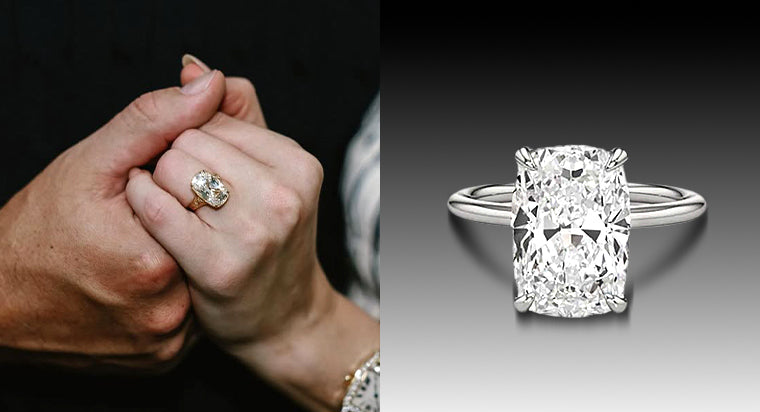
A low profile engagement ring is designed so the center diamond sits closer to the finger rather than being elevated high above the band. This lower setting creates a sleek, streamlined look while making the ring more comfortable for everyday wear.
The reduced height also offers a practical advantage. Because the diamond is positioned closer to the hand, it's less likely to catch on clothing, hair, bags, or other everyday objects. While no engagement ring is completely snag-proof, a low profile design helps reduce the chances of accidental bumps or knocks.
Despite its name, a low profile engagement ring doesn't sacrifice beauty or brilliance. With the right setting and diamond shape, these rings offer the same eye-catching sparkle as higher-set designs while providing added comfort and security.
Low Profile vs High Profile Engagement Rings
The main difference between low profile and high profile engagement rings is the height of the center stone.
Low profile designs keep the diamond closer to the finger, creating a sleek, understated look. High profile settings raise the center stone above the band, creating a more elevated appearance that can enhance the ring's visual presence.
Neither style is inherently better. If you value comfort, practicality, and a streamlined design, a low profile ring may be the better choice. If you prefer a more dramatic look that showcases the center stone, a high profile setting may be more appealing.
|
Feature |
Low Profile |
High Profile |
|
Center Stone Position |
Sits close to the finger |
Raised above the band |
|
Everyday Comfort |
Excellent |
Good |
|
Snag Resistance |
Less likely to catch on clothing or objects |
More likely to snag |
|
Diamond Protection |
Better protected from accidental bumps |
More exposed to knocks |
|
Overall Appearance |
Sleek and understated |
Bold and elevated |
|
Best For |
Active lifestyles and everyday wear |
Traditional, statement-making styles |
Benefits of Low Profile Engagement Rings
Low profile engagement rings have become increasingly popular because they combine timeless style with everyday practicality. Their streamlined design makes them easy to wear while offering a refined look that complements a variety of engagement ring styles.
- Designed for everyday life: Whether you're commuting, traveling, or working with your hands, a low profile ring fits comfortably into your daily routine.
- Versatile style: Their understated silhouette pairs beautifully with both modern and classic engagement ring designs.
- Greater peace of mind: A lower setting helps reduce concerns about snagging or accidental knocks during everyday activities.
- Comfort-first design: Sitting closer to the finger, low profile rings often feel more natural and secure throughout the day.
- Timeless appeal: Their clean lines and balanced proportions create a look that remains elegant for years to come.
Best Settings for Low Profile Engagement Rings
Not every engagement ring setting naturally sits low on the finger. These styles are among the most popular options for achieving a low profile while keeping the center stone secure.
- Bezel setting: The diamond is surrounded by a thin metal rim, offering maximum protection and a clean, modern look.
- Semi-bezel setting: A more open variation of the bezel that secures the stone while showing more of its sides for added sparkle.
- Basket setting: Supports the center stone from beneath, allowing it to sit lower while maximizing light performance.
- Flush setting: Sets the diamond level with the band for an ultra-minimal, highly durable design.
Can Any Diamond Shape Work in a Low Profile Setting?
Yes. Almost every diamond shape can be beautifully incorporated into a low profile engagement ring with the right setting.
Round, oval, cushion, emerald, and radiant cuts naturally lend themselves to lower settings, while pointed shapes such as pear, marquise, and heart diamonds often benefit from protective prongs or bezel settings around their tips.
Ultimately, the setting plays a greater role than the diamond shape itself. A thoughtfully designed low profile setting can accommodate virtually any diamond shape while balancing comfort, protection, and brilliance.
Do Low Profile Rings Cost More?
Not necessarily. The overall cost of an engagement ring is determined primarily by the diamond, precious metal, and the complexity of the design—not the height of the setting.
Some low profile styles, particularly bezel or custom basket settings, may require additional craftsmanship, which can slightly influence the price. However, in most cases, a low profile engagement ring is similarly priced to a comparable high profile design.
Potential Drawbacks to Consider
Like any engagement ring style, low profile designs involve a few trade-offs.
Because the center stone sits closer to the finger, it may have a more understated appearance than a higher setting. Depending on the design, some low profile rings may also require a contoured wedding band to achieve a flush fit.
These considerations are often outweighed by the added comfort and practicality of a lower setting, but they're worth keeping in mind as you explore different styles.
How to Choose the Right Low Profile Engagement Ring
Choosing the right low profile engagement ring comes down to finding a design that reflects your personal style while fitting seamlessly into your daily life. As you compare different options, think about the overall look you're drawn to, the level of protection you want for your center stone, and how you'd like your engagement ring to pair with a future wedding band.
It's also worth trying on different settings to see how they feel on your hand. Small design details, such as the height of the setting or the way the band sits against your finger, can make a noticeable difference in comfort and wearability.
Ultimately, the best low profile engagement ring is one that feels as effortless to wear as it is beautiful to look at.
Conclusion
Low profile engagement rings offer a thoughtful balance of beauty, comfort, and practicality. By keeping the center diamond closer to the finger, they provide a streamlined look that's well suited to everyday wear without compromising on elegance.
Whether you're drawn to their modern aesthetic or their functional design, a low profile engagement ring is a timeless choice that can be tailored to your personal style and lifestyle.
FAQs
Are low profile engagement rings comfortable for daily wear?
Are low profile engagement rings better for people with active lifestyles?
Can I wear a low profile engagement ring while traveling?
Do low profile settings offer better protection for diamonds?
Do low profile engagement rings sparkle as much as high profile rings?
Which diamond shapes are best suited for low profile rings?
Can I wear a wedding band with a low profile engagement ring?